
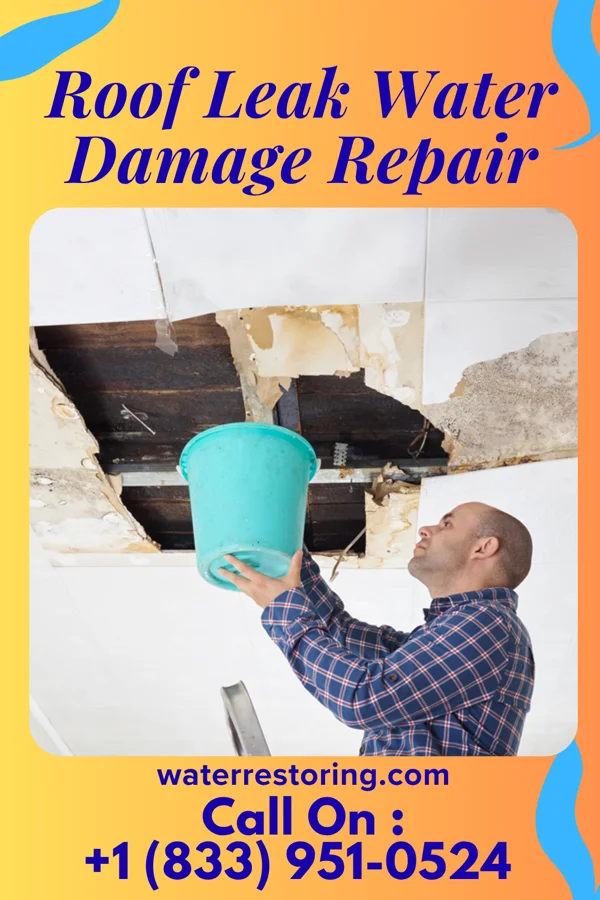
Roof Leaks Across Eastpointe Neighborhoods
Every neighborhood in Eastpointe has a different water damage risk profile. The one that shows up on most restoration calls is Eastpointe experiences frequent thunderstorms and heavy rainfall, especially during the late spring and early summer months. These weather events can lead to sudden roof leaks, particularly in older or poorly maintained structures. The combination of high humidity and frequent precipitation creates a perfect environment for water intrusion.. A close second is In the fall, Eastpointe often sees strong winds and sudden temperature drops, which can cause shingles to lift or become damaged. This can result in water seeping into the roof system, leading to interior water damage and mold growth. Winter snowmelt can also contribute to prolonged moisture issues..
Eastpointe's climate, characterized by hot, humid summers and cold, snowy winters, puts stress on roofing materials. This leads to common issues like shingle curling, ice dams in winter, and moisture buildup in attics. These conditions can accelerate roof degradation and increase the likelihood of water damage.
Water damage in Eastpointe follows a few local patterns. Eastpointe experiences frequent thunderstorms and heavy rainfall, especially during the late spring and early summer months. These weather events can lead to sudden roof leaks, particularly in older or poorly maintained structures. The combination of high humidity and frequent precipitation creates a perfect environment for water intrusion. accounts for the bulk of our calls. Eastpointe's climate, characterized by hot, humid summers and cold, snowy winters, puts stress on roofing materials. This leads to common issues like shingle curling, ice dams in winter, and moisture buildup in attics. These conditions can accelerate roof degradation and increase the likelihood of water damage. Mold can develop within 48 hours of water exposure in Eastpointe due to the region's high humidity. This can lead to secondary damage such as weakened structural components, damaged drywall, and compromised indoor air quality, requiring extensive remediation.
For public guidance on the health effects of mold after prolonged water exposure, see the EPA mold and health page.